
Overflowing trash bins and inefficient pickups make city streets feel messy fast. When trucks roll out “on schedule” instead of “on need,” you end up with missed fullness, extra fuel burn, and more contamination.
Smart waste management systems solve that by using sensors, AI, and real-time data. Instead of guessing, they track bin fill levels, spot wrong items, and help crews collect smarter and recycle more.
In 2026, more US cities and private sites are rolling out these systems in phases. Next, you’ll see the key parts that make smart bins work, how data moves from bin to truck, and real examples that show measurable results.
Key Building Blocks of Smart Waste Management Systems
Think of smart waste systems like a small team with different jobs. Sensors act like the eyes and ears. AI plays the picky supervisor. GPS and software act as the route planner. And compactors and trucks handle the heavy lifting.
Here are the core components most deployments rely on:
- IoT sensors: Measure fill level (and often weight or temperature) so you avoid overflows.
- AI cameras or vision tools: Flag issues like contamination or wrong sorting.
- Cloud apps: Store data, show dashboards, and forecast future pickup needs.
- GPS and fleet tracking: Help trucks follow the best route at the right time.
- Smart compactors: Compress waste to increase capacity and reduce trips.
Many systems also send updates often. In 2026 pilots, some bins push data every 15 minutes, so a “full” bin stays visible across the day.
A good sign you’re looking at a true smart setup is simple: managers can answer, “Which bins need service today, and why?” With normal bins, that question turns into guesswork and phone calls. With smart waste management, it turns into alerts and reports.
IoT Sensors: The Eyes Inside Every Bin
IoT sensors turn a trash bin into a real-time data point. They detect fill level using methods like ultrasonic distance readings, pressure or weight sensing, and sometimes temperature checks for heat or unusual conditions.
In many systems, the bin sends that data wirelessly to a cloud dashboard. As a result, crews get alerts at safe thresholds, not after the overflow happens. For example, some platforms can flag bins when they hit around 85% full, so routing can start earlier.
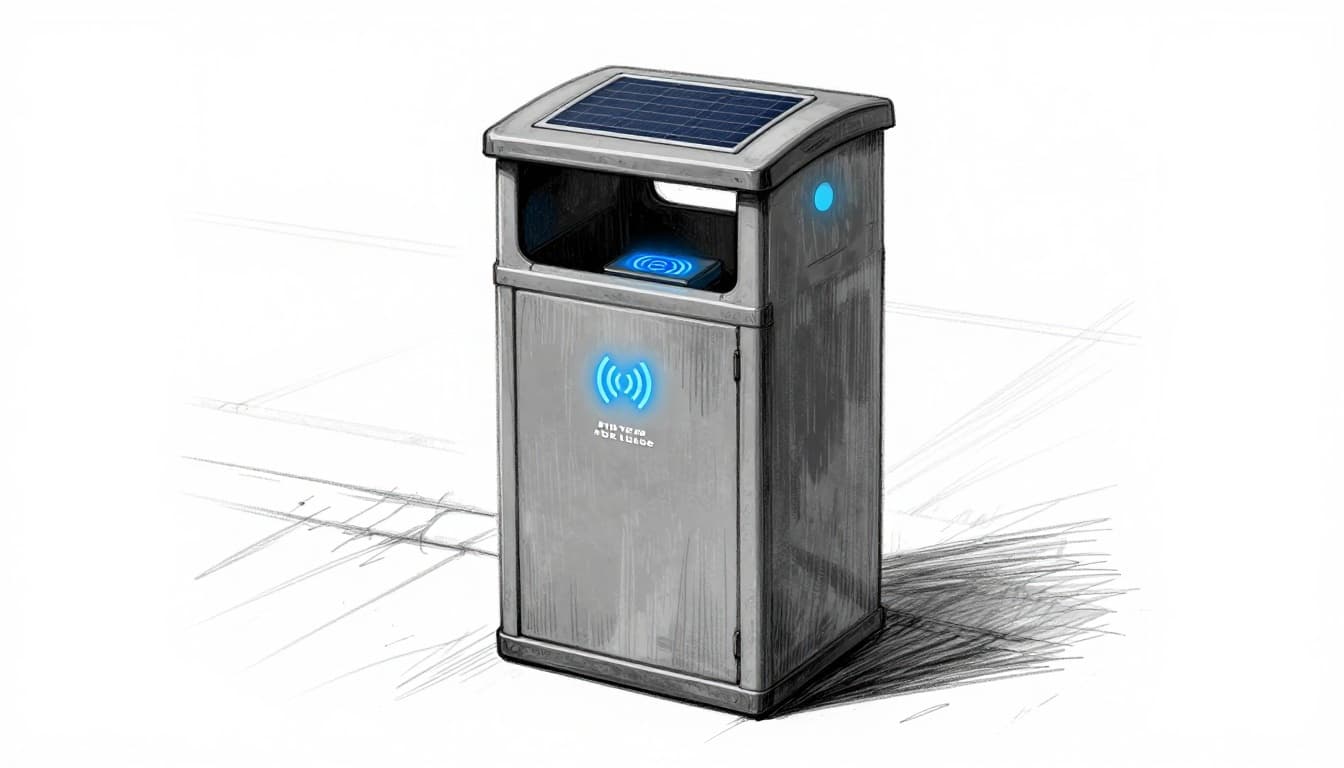
If you want to see how sensor-driven reporting looks in practice, check how Pello smart bin sensors focus on fill-level tracking and operational alerts. That kind of dashboard view is what turns scattered bins into a manageable network.
Smart bins also evolve. Newer 2026 models lean on ultrasonic sensors (often paired with improved calibration) for more consistent reading in different weather and bin shapes. Some solar-powered smart compactors also help reduce the number of collections by letting each pickup carry more waste.
AI Cameras and Cloud Brains for Smarter Decisions
Sensors tell you “how full” a bin is. AI helps answer “what’s happening.” In recycling and mixed waste workflows, computer vision can detect contamination, like food in recycling streams or the wrong material in a load.
In a typical setup, cameras or vision tools review waste patterns during collection or at processing sites. Then the cloud system turns those signals into action items for crews and operators.
For example, McNeilus has described AI-enabled systems that identify contaminants during collection to improve recycling quality and reporting, using McNeilus AI contamination detection.
Most teams don’t need heavy technical detail to benefit. They just need fewer repeats. When the system catches errors early, it reduces “fix it later” trips and helps loads meet facility rules.
Cloud “brains” also do the planning. They predict patterns based on past fill levels, special events, and pickup history. Then they push alerts to worker apps and help change routes on the fly.
How Smart Systems Work: From Bin to Truck in Real Time
Smart waste management feels simple from the outside. A bin gets monitored, a truck gets sent, and the manager checks the results. Under the hood, it’s a fast loop between sensing, decisions, and proof.
The key shift is timing. Instead of sending trucks on a fixed schedule, smart systems send them based on real conditions.
- Sensors monitor fill in real time and trigger data updates.
- AI and the cloud verify waste context and help decide what to collect.
- Trucks route and pick up efficiently, then the system logs outcomes.
That loop often cuts unnecessary travel. In 2026 reporting, smart bin deployments frequently see 50% fewer trips (or similar reductions), because trucks can skip empty or lightly filled locations.
Step 1: Real-Time Monitoring with Sensors
First, the bins measure. Ultrasonic sensors estimate fill height, weight sensors confirm mass, and some designs include temperature checks. Then the bin transmits readings to the cloud.
As data arrives, thresholds activate. If a bin approaches a trigger point, the system tags it for pickup priority. If bins run cool or show unusual readings, alerts can flag that too.
This is also where compactors earn their keep. A smart compactor can reduce the frequency of collections by increasing storage. In other words, sensors help you pick the right time, and compacting helps you carry more per trip.
Step 2: Analysis and Route Optimization
Next, the cloud decides. It uses recent fill trends and pickup history to forecast what will need service soon.
Then route planning software does the practical work. Using GPS, it groups nearby pickups and adjusts schedules as the day changes. If one area fills faster due to demand spikes, the app can reorder the stop list.
Meanwhile, AI can verify conditions. It may flag contamination risks or highlight bins that need attention sooner than expected.
Step 3: Efficient Collection and Feedback Loop
Then trucks collect only what matters. Crews follow updated routes via in-cab or phone apps, guided by the latest sensor info. After pickup, the system records the event and updates the bin’s status.
That “after” data helps forecasting. When the cloud learns how long it takes bins to reach full after service, it can schedule future pickups with less guesswork. Over time, managers get cleaner reports for operations and compliance.
Real-World Examples and Latest Tech in Action
Smart waste management systems are no longer only for high-budget pilot projects. In the US, deployments show up in business districts, campuses, malls, and city-led programs. The common goal is the same: fewer overflows and better recycling.
In 2026, you’ll also see tighter connections between collection and processing. For instance, AI contamination checks can improve sorting at material recovery facilities, while smart bins reduce the chance that wrong items mix early.
Here are a few trends shaping what you’ll see most often this year.
Standout Solutions Like Pello and Nordsense
Some solutions focus on sensor accuracy and routing. Others focus on contamination and smarter handling.
- Pello-style smart bin sensors help teams track fill level and send pickup alerts. The win is simple: fewer empty trips and fewer complaints about overflow.
- Nordsense-style 3D mapping supports smarter container placement and sensor planning. When you know how waste patterns move across sites, you can plan routes that match reality.
- Pello and other contamination-aware approaches aim to reduce wrong-item mixing. That matters because contamination can hurt recycling outcomes.
In parallel, compaction tech keeps improving. Many organizations now treat smart compaction as a central part of the system, not an add-on.
For a focused look at what compaction tech is trending toward in 2026, see Orwak smart compaction trends. It highlights how smarter processing and better data feed the next round of planning.
Why Switch? Top Benefits and Real Challenges
When you switch to smart waste management systems, the improvements tend to show up fast. You get fewer overflows, lower fuel use, and better recycling quality. You also get data you can use for planning, budgeting, and reporting.
Still, it’s not magic. Smart bins require a setup, and they need ongoing attention.
Game-Changing Wins for Cities and the Planet
The strongest wins usually come from cutting unnecessary travel. When trucks skip empty bins, fuel drops and routes get shorter.
In 2026 deployments, benefits commonly include:
- Lower pickup costs through fewer trips and more efficient routes
- Fewer overflowing bins because alerts trigger before the problem
- Better recycling outcomes when contamination gets flagged early
- Cleaner streets because waste management responds faster
- More useful reporting for managers and compliance needs
Even processing benefits matter. 2026 AI sorting pilots at recycling facilities report high throughput and strong accuracy, which helps protect worker safety while improving material recovery.
Overcoming Common Hurdles to Get Started
Costs can be the first barrier. Sensors, compaction, and software add up. However, many teams reduce risk by starting small.
Connectivity is the next hurdle. If wireless service is weak, data updates slow down. In those cases, teams pick locations carefully or use designs that better fit the site.
Privacy and security also matter. Any system that sends data needs basic safeguards, like secure access, controlled user roles, and clear retention rules.
Finally, training matters. If staff ignore alerts, the system can’t deliver value. A short onboarding process helps crews trust the plan.
A smart approach is phased rollout. Start with one area or one waste stream, measure results, then expand.
The fastest path to value is usually a small pilot that proves fewer trips and cleaner loads.
Conclusion
Smart waste management systems turn trash collection from a schedule problem into a data problem. With sensors, AI, and route tools, you can reduce overflows and make pickups more efficient.
The biggest takeaway is simple: when you track fill in real time, you stop sending trucks “just in case.” In 2026, that shift is driving real cost savings and cleaner recycling.
If you’re considering a rollout, compare local options and ask what data they track, how often they update, and how they handle contamination. What would your city or site fix first, overflow issues or route waste?