
Traffic jams. Power outages. Air that feels harder to breathe. You might not call any of that “policy,” but it affects your day.
A smart city uses sensors, data, and smart software to reduce those annoyances and improve daily life. In 2026, that usually means faster services, safer streets, cleaner air, and better resource use.
The big idea is simple: no single tool fixes a city. Instead, several parts work together, including infrastructure, technology, governance, sustainability, and citizen engagement.
Next, let’s start with the physical backbone that makes everything else possible.
The Backbone Infrastructure Every Smart City Relies On
Smart city upgrades start with real-world building blocks. Think of it like a body. If the “bones” are weak, the brain can’t do much.
First, cities need strong data routes. That means high-speed broadband and fiber networks that can move data quickly across the city. On top of that, they add IoT sensors in streets and buildings. These sensors watch conditions in near real time, like traffic flow, air quality, and waste levels.
Next comes energy and transportation support. A smart grid helps balance renewable power with demand. It also helps utilities react faster during disruptions. For mobility, connected systems can reduce wasted trips, support EV charging, and improve parking guidance.
Then, everything ties back to operations. When a city installs sensors and networks, it can do something with the data. That might mean adjusting traffic timing to prevent backups. Or it might mean routing crews to fix a water leak sooner.
If you’re curious about how leaders plan these upgrades, this guide on developing smart cities for city leaders breaks down planning and partnership choices that matter early.
A quick example
Imagine a major intersection that often clogs up at rush hour. Sensors detect slower speeds and longer queues. The city system adjusts signal timing and alerts traffic teams. In the best cases, congestion drops before it gets bad.
In 2026, the goal isn’t “more tech.” The goal is better connections between systems.
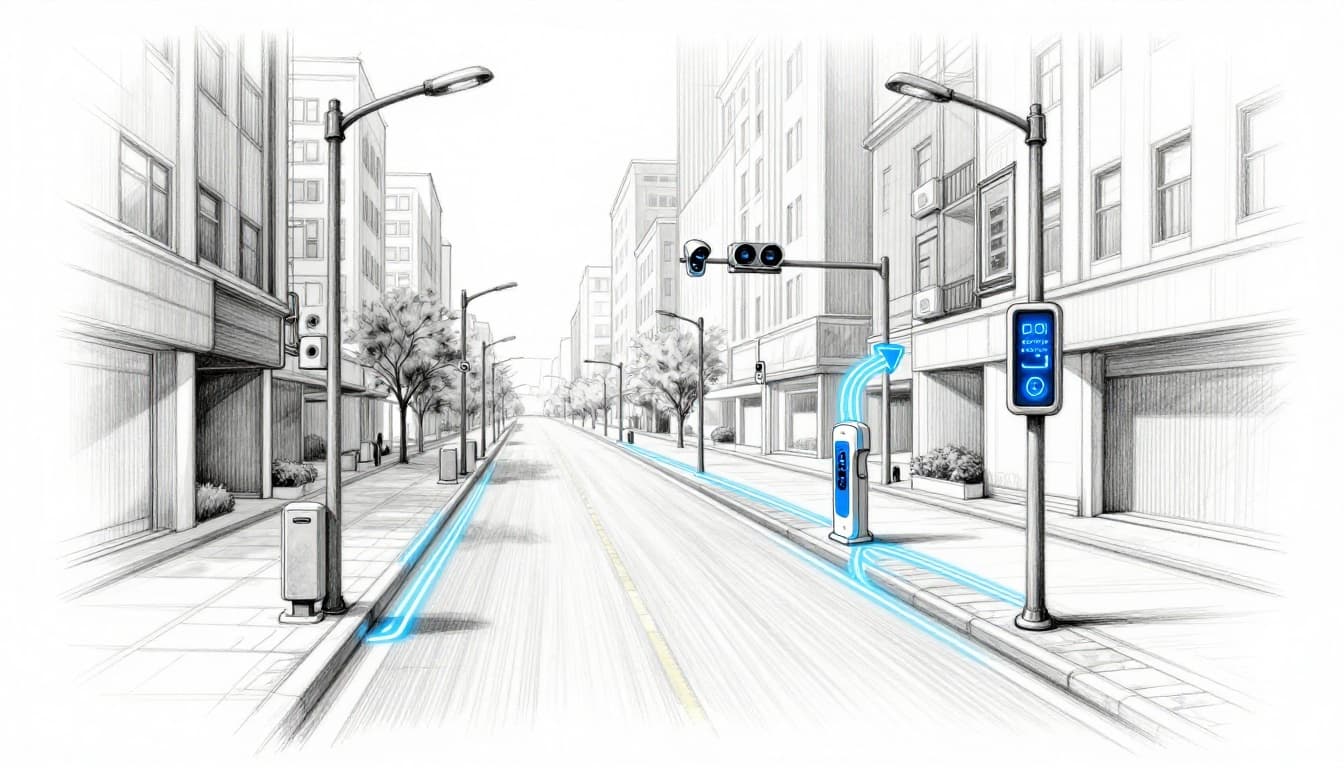
High-Speed Networks and Connectivity
Fiber and broadband are often the first “invisible” component people underestimate. If the network can’t carry data, sensors become slow and unreliable. Then the whole smart city plan stalls.
That’s why cities invest in fiber-optic backbones and upgrade connectivity at key sites. These networks support everything from traffic sensors to public Wi-Fi and remote utility monitoring.
Chattanooga, Tennessee is one well-known example. EPB built a community-wide gigabit fiber network and kept expanding it. EPB also highlights how the network supports public safety and real-time monitoring. You can see the story in how EPB transformed Chattanooga.
Here’s the “nerves” analogy that helps. A city’s services need fast signal paths. Without them, emergency dispatch waits longer and operators see data later. With strong connectivity, the city can respond closer to what’s happening on the ground.
Faster networks also help with reliability. Many smart city systems rely on cloud and analytics. Those systems need dependable links. When connectivity improves, data pipelines stabilize, and maintenance becomes easier to schedule.
Finally, high-speed networks support growth. New sensors get added over time. In a smart city, upgrades shouldn’t require starting over each year.
What connectivity enables in real life
- Public safety updates from cameras and dispatch systems
- Traffic management using live speed and volume data
- Utility monitoring for power, water, and building systems
When your network works, the city can move from “collecting data” to “using it well.”
IoT Sensors Watching Over the City
IoT sensors turn a city from “we think” into “we know.” They collect signals from the physical world. Then software turns those signals into actions.
Sensors can be small and cheap per unit. But smart cities use them at large scale. You might find them on:
- Traffic lights and intersections
- Bridges and roadway structures
- Storm drains and flood-prone spots
- Waste bins and collection routes
- Air quality monitors near busy streets
Because sensors run continuously, they create a steady stream of data. That helps operators spot trends early. It also helps teams reduce time spent on guesswork.
So what does that look like day-to-day? A city can detect an air quality spike and adjust traffic plans or issue alerts. It can measure waste fill levels and route trucks more efficiently. It can monitor roadway conditions and reduce slip-and-fall risks after storms.
However, sensor data only helps if the city also manages it responsibly. That includes secure storage, privacy rules, and clear ownership of datasets. A research-focused overview of how smart city tech connects to resilience is available in this systematic review on integrating smart city technologies.
The key mindset
Sensors don’t replace staff. They support staff. When crews get the right information sooner, they can fix problems faster.
In short, IoT is the eyes and ears. But it’s the next set of tools that turns signals into decisions.
Smart Grids and Transportation Networks
Energy is one of the toughest puzzles for cities. Renewables are great, but they also change with weather. Demand changes too, especially during heat waves.
A smart grid helps utilities balance power using data and control systems. It can support faster detection during outages. It also helps integrate renewables and storage. In practice, that means the city spends less time guessing and more time managing.
Transportation systems matter just as much. Connected mobility can reduce congestion and lower emissions. Examples include:
- Traffic sensors that improve signal timing
- Smart parking guidance to cut “circling”
- EV charging support planned using demand data
- Roadway monitoring to support incident response
When cities connect transportation data with energy planning, EV growth becomes easier to manage. That’s important as more drivers switch cars and as charging demand rises.
Also, smart grid data helps buildings and public facilities optimize energy use. That can lower costs and help meet sustainability goals.
At the city level, this is how waste drops. Vehicles don’t idle as much. Trucks don’t travel as often. Crews don’t repeat the same inspection work because they already know what needs attention.
Now that we’ve covered the physical base, it’s time for the “brain” layer.
Game-Changing Technologies Fueling Smart Operations
Infrastructure gives you the raw materials. Technology turns those materials into results.
Most smart city tech stacks include three major pieces. First, IoT systems capture data. Next, AI and machine learning analyze patterns and make predictions. Finally, a unified data platform connects systems across departments, so decisions aren’t trapped inside one silo.
In other words, AI helps answer “what’s likely next.” That can guide traffic control, maintenance scheduling, and early warnings for hazards.
And in 2026, more cities push toward edge computing. That means some analysis happens closer to the sensors. So systems can react faster, even if internet links get temporarily slow.
If you want a quick read on current city pressures and tech directions, Smart Cities Dive tracks the trends shaping cities in 2026.
The bottom line
Smart operations rely on better timing. Sensors tell you what’s happening. AI helps you decide what to do about it.
AI and Machine Learning for Smarter Decisions
AI can feel mysterious, but it’s often pretty practical in smart cities. At its core, machine learning finds patterns in data. Then it makes predictions, like where congestion might build.
Traffic is a common use case. City systems can predict where jams will form based on speed trends and event schedules. As a result, they can adjust signals or suggest route changes earlier.
Maintenance is another big win. Many city assets wear down over time. AI can spot abnormal vibration patterns, electrical faults, or unusual equipment behavior. It can also help prioritize inspections. Crews spend time where the risk is highest.
AI also supports operations in safety roles. For example, video analytics can help operators spot incidents sooner. Then dispatch teams can respond faster, based on alerts tied to verified sensor inputs.
Still, AI isn’t magic. It needs quality data and clear rules. Cities should test models, monitor for errors, and keep humans in the loop for high-impact decisions.
Here’s a simple way to picture it. Sensors are the thermometer. AI is the doctor’s interpretation. But the doctor still checks the patient.
Gotcha to watch: AI can amplify bias if the data is uneven. Smart city teams must test for fairness and accuracy, not just performance.
When AI works well, you get safer streets, fewer delays, and fewer repeat repairs.
Big Data Lakes Connecting It All
Cities run on separate departments. Transportation, water, utilities, parks, and public safety each have their own systems. That can create a problem. Useful data gets stuck behind walls.
A big data lake (or another centralized platform) aims to connect information across those walls. The goal is not to store every file forever. Instead, it’s to make data accessible for analysis and planning.
When the city shares data, operators get a fuller picture. For example, an outage alert might also relate to roadway safety hazards. A waste collection problem could connect to local traffic delays. A flood risk map can inform both drainage fixes and emergency planning.
A unified platform also helps with governance. If you define data access rules up front, you reduce the risk of accidental exposure. It also supports privacy controls, retention policies, and audit trails.
Then, teams can build new tools faster. Once data flows correctly, it’s easier to update dashboards and decision models.
However, centralizing data creates its own challenge: managing quality. If sensor feeds are inconsistent, AI predictions degrade. That’s why smart cities invest in data cleaning, metadata, and validation processes.
In 2026, more cities treat data like an operating system. It must be maintained, secured, and improved.
Now that technology can “think,” governance decides how smart it should act.
Governance, Sustainability, and Putting People First
A smart city isn’t only tech. It’s also rules, budgets, and accountability.
Good governance helps departments plan together. It also helps cities partner with vendors without losing control. When governance works, smart city programs don’t become one-off projects.
Sustainability is the second pillar. Cities use smart systems to reduce emissions, cut energy use, and manage waste. Many also plan for extreme weather, like floods and heat waves.
And people come first through citizen engagement and equity. Residents should be able to request help, track progress, and understand what the city collects. If only some neighborhoods get access, the program won’t last.
Barcelona’s superblocks offer a well-known illustration. Superblocks limit car access and reclaim space for pedestrians. This approach aims to improve street life while reducing pollution. You can read a people-centered explanation in how superblocks can create people-centered cities. Research also looks at health and environmental effects, including in environmental and health effects of the Barcelona superblocks.
These examples show the full picture. The tech helps. But the plan and the public goals drive what happens.
Smart Governance and Strong Partnerships
Governance means who makes decisions, who pays, and who audits results.
Most smart cities use public-private partnerships (PPPs). A city might partner to build fiber, install sensors, or manage data platforms. PPPs can speed up delivery. But they also require clear contracts and strong oversight.
Cities also need cybersecurity planning. IoT devices add many entry points. If one weak device gets attacked, it can affect larger systems. That means smart city governance includes threat monitoring, access controls, and regular updates.
Data governance is just as important. Who can access camera feeds? How long does the city store location data? What counts as “anonymized”? These rules must be clear to residents, not hidden in fine print.
Meanwhile, integrated planning helps break silos. Instead of “transport buys sensors” and “water buys meters,” the city designs a combined architecture. That reduces duplication and avoids incompatible systems.
Key takeaway: Smart city success usually comes down to governance. If rules are clear, tech can deliver real improvements.
In short, strong governance turns projects into programs that last.
Sustainable Features for Greener Living
Sustainability is where smart cities often feel most relevant.
Smart systems can reduce energy waste in buildings by adjusting lighting, heating, and ventilation using sensor data. They can also manage renewable power through smart grid controls. On the transportation side, smart routing can cut idling and lower emissions.
Waste is another major area. Smart bins can report fill levels, so trash trucks run only when needed. That reduces fuel use and road wear.
Some cities also use “place design” along with tech. Barcelona superblocks are one example. They reduce car dominance, which encourages walking and cycling. With sensors and air quality monitoring, cities can track whether streets actually improve.
Another sustainability angle is water. Smart meters and leak detection can reduce losses. In drought-prone areas, this matters a lot.
Still, sustainability isn’t only about gadgets. It also depends on procurement choices, maintenance plans, and long-term budgeting.
When sustainability and governance align, cities get measurable progress. Not just “better dashboards,” but fewer emissions, lower costs, and cleaner air.
Citizen Engagement Through Tech and Equity
A smart city only counts as smart when residents benefit.
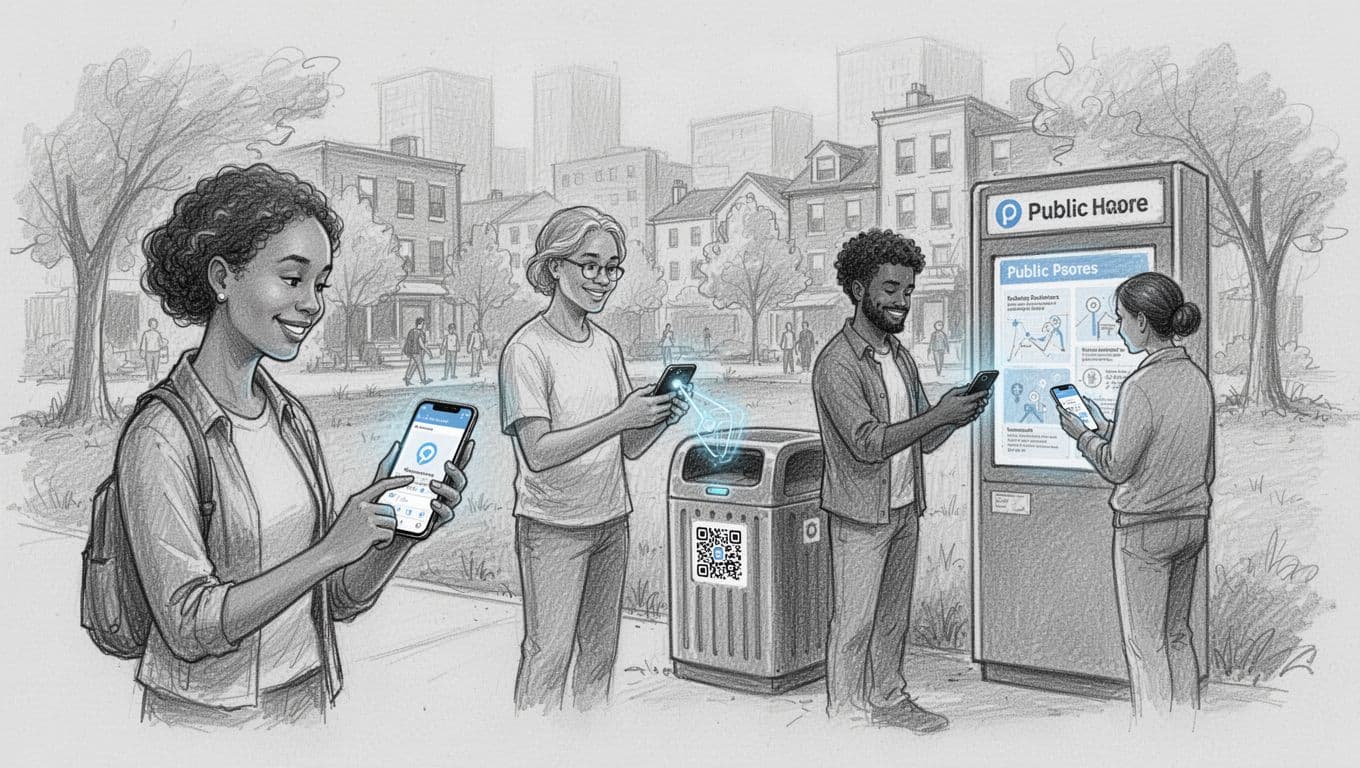
Citizen engagement tools can be simple. Many cities use mobile apps or online portals for reporting issues like broken streetlights, potholes, and trash overflow. Some systems offer real-time updates, so people know the status.
However, equity determines whether those tools help everyone.
If an app requires a new phone or high-speed internet, it can leave some residents out. That’s why cities need multiple access channels. That might include kiosks, public Wi-Fi, and phone-based services. It can also include training and language support.
Cities also need to think carefully about sensitive data, like health monitoring or location tracking. Residents want control. They also want transparency.
In 2026, more smart city programs include equity checks in procurement and pilot design. That reduces the risk of “tech-first” projects that don’t fit local needs.
So the best outcome looks like this. A resident reports an issue. The city verifies it using sensors or